

The Allure of Risk
Casino betting is often driven by the thrill of risk, a fundamental aspect of human psychology. The adrenaline rush experienced when placing a bet can create a sense of excitement that attracts individuals to casinos. This heightened state of arousal is linked to the brain’s reward systems, where neurotransmitters like dopamine play a crucial role. The promise of a potential win can overshadow the reality of loss, leading bettors to take risks they might otherwise avoid. Many people enjoy real money casinos, adding to the allure of gambling.
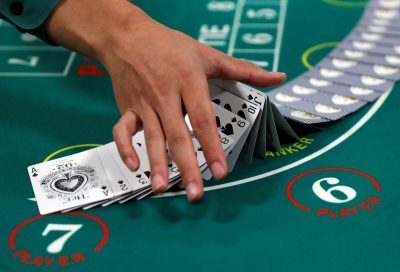
Moreover, the environment of casinos is designed to amplify these feelings. The sounds of coins, flashing lights, and engaging visuals stimulate the senses, creating an immersive experience. This stimulation can perpetuate a cycle of behavior where individuals continuously seek that high or euphoric state, often leading to increased betting despite previous losses.
Cognitive Biases in Gambling
Many gamblers fall prey to cognitive biases, which can significantly influence their betting behavior. One common bias is the illusion of control, where players believe they can influence the outcome of games that are purely based on chance, such as slot machines or roulette. This false sense of control can encourage repeated betting, as individuals convince themselves that their actions can lead to a favorable outcome.
Another prevalent cognitive bias is the gambler’s fallacy, where individuals mistakenly believe that previous outcomes will affect future results. For instance, a player might think that if a particular number hasn’t come up recently on a roulette wheel, it is due to appear soon. These biases not only cloud judgment but can lead to an increased frequency of betting and a greater propensity for risk-taking behaviors.
The Social Aspect of Gambling
Gambling is not just an individual activity; it often has a social dimension that can influence behavior. Many people visit casinos as part of a group, and the social interactions can enhance the enjoyment of the experience. This social aspect can lead individuals to make decisions based on group dynamics rather than rational thinking, resulting in a tendency to bet more aggressively or take risks they may not consider when alone.
Furthermore, the presence of peers can create competitive feelings, where individuals strive to match or surpass the betting stakes of their companions. This phenomenon can lead to an escalation of betting behavior as people seek validation or approval from their peers, further complicating the psychology behind their gambling habits.
The Role of Emotions in Betting Decisions
Emotions play a critical role in casino betting behavior. Winning can evoke feelings of elation and confidence, leading to increased betting. Conversely, losing can lead to frustration or desperation, which may prompt individuals to chase losses by betting more. This emotional rollercoaster often blinds individuals to the financial implications of their actions, causing them to become engrossed in the moment rather than considering the long-term consequences.
Understanding the emotional triggers associated with gambling is essential for both players and psychologists. Recognizing when emotions are driving decisions can help individuals make more informed choices, potentially reducing the likelihood of problematic gambling behaviors. Effective strategies to manage emotions can lead to healthier gambling habits and improved decision-making processes.

Conclusion about Gambling Behavior
Exploring the psychology behind casino betting behavior reveals the intricate interplay of risk, cognitive biases, social influences, and emotional aspects. Recognizing these factors is crucial for individuals seeking to understand their gambling habits or those of others. Awareness can lead to healthier approaches and help mitigate the risks associated with gambling.
For anyone interested in the multifaceted nature of gambling behavior, delving into these psychological elements can provide valuable insights. Understanding the dynamics at play will not only enrich your knowledge but could also foster a more responsible attitude toward betting activities, safeguarding against the potential pitfalls of gambling.